
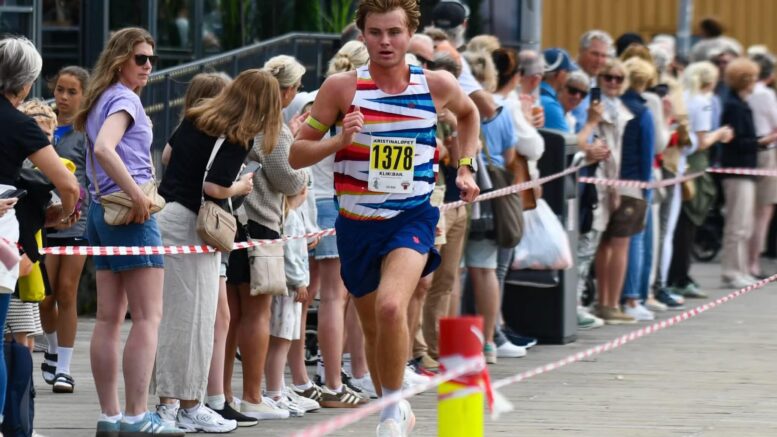
By Axel Dabe
“A running world is a healthy world, a wealthy world, a peaceful world and a joyful world.” (Eluid Kipchoge).
I remember when running sucked.
Every week during COVID, my family would go for a run. Everyone except for one person – me.
Why would I? Running was boring, monotone, tiring and my knees would hurt. The bed also felt a lot warmer in the mornings, when they yelled downstairs for me to drag myself of bed and laze up.
It would take me two more years before running became a consistent part of my life, eventually leading me here to Flagler as a freshman qualifying for nationals in cross country.
You may ask: ‘why would one want to fix a problem that’s not really a problem?’ If you want to exercise, you can just do whatever – like bike, swim or if you’re feeling a bit restless, travel to Gloucestershire, England where competitors race down a 200-yard hill chasing a wheel of cheese. That’s some workout!
In a world where it doesn’t matter what you do – why run?
You’re probably doing alright just now, living a running-less life. I did too, at least that’s what I thought.
I was a cross-country skier at the time, only running when it was forced on me, when my coach asked me if I’d like to join a running group. I saw benefits in running. I would gain endurance, helping me as a skier, so I accepted the offer.
That was the start of a beautiful chapter. I realised that running was a lot easier than I had thought. You just have to be willing to be bad at it long enough to get better. I also recommend using running shoes.
I realised that most people who say running is a ‘suffer-fest’ aren’t actually well trained, like myself at the time.
They’re usually where I was in middle school – active but not really running. They’re not fit enough to enjoy it yet.
Because of this, every run feels equally bad. There is no nuance. Running feels fundamentally different once your body adapts to it. What feels like dying now can eventually feel as easy and relaxing as a walk.
You start to feel different intensities instead of everything feeling equally hard.
The reason beginners struggle is simple: no aerobic base. So, when you go from walking to jogging, your heart rate, breathing, and fatigue spike immediately.
If you’ve ever gone for a run before, you’ve most likely passed a certain intensity where exercise stops feeling pleasant. Beginners hit that point almost instantly – so of course running feels terrible.
The problem is people jump straight into hard efforts instead of building a base. Put your ego aside. It’s like going to the gym and maxing out on your first day – you’d be sore for a week and hate it. That doesn’t mean lifting is about suffering. It just means you were unprepared.
And a lot of people think, ‘Maybe I’m just not built for running.’ I literally went from hating it, then starting small in 2022 and now running for a school on the other side of the world. Running isn’t about talent – it’s about adaptation. The difference is usually just consistency over time.
There’s a reason people pay hundreds of dollars to compete in “self-torturing” races all over the world. From barely being able to walk down a set of stairs after finishing, promising themselves to never expose their body to such suffering again, then the day after already signed up for the next one.
What makes us do such things? I believe that one can’t truly love running, without hating it a bit as well. It makes us feel alive and is a relatable and natural human challenge.
Consistency is the key in any sport.
Running makes you want to be consistent in life. Training consistently expands the range where running actually feels good. Over time, you don’t just tolerate it – you enjoy it, even pushing a little harder.
A person with the most ‘professional’ gear isn’t necessarily the one that’s going to do the best, and someone dressed completely differently – like a dinosaur or in a suit – can still run well. That’s the point: it’s not about looking like a runner, it’s about how you’ve trained.

Running doesn’t have to suck – you just have to approach it the right way.
First, slow down. You’re not in a rush. The only thing you’ll rush into is injury or burnout. Build a base with consistent, easy to moderate running.
Second, gradually add small amounts of harder work – like short strides or a light tempo. The goal isn’t to destroy yourself, it’s to improve without burning out.
I, as a runner, can talk forever about intensity, intervals, total load and lactate, but to enjoy running one doesn’t have to know and follow everything. However, knowing the basics may give you a more pleasant time.
It’s like if you buy a new microwave – even though it seems self-explanatory, one should read the instruction first to achieve the best experience.
The running wave is here.
Friends that made fun of me for running so much in 2022 will now approach me asking for tips.
People are now more than ever chasing what’s looked at as hard or painful, to do something with their life. That’s a major part of why running has reached its level of popularity it has today.
It also leaves us with a question: what is really hard? Sub 14 minutes on a 5k or an ultra-marathon?
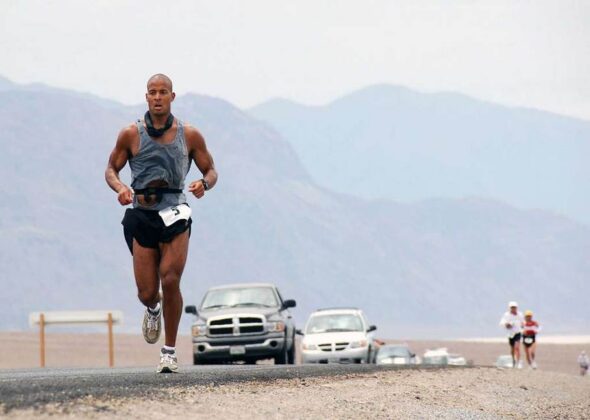
I think we’ve gotten to this weird point in running where people aren’t chasing performance anymore, they’re just being performative. Or as I like to call it – self torturing.
Some people chase hard things like random marathons at midnight or marathons alone in the rain – stuff that looks impressive online.
Are people doing hard things or are they being avoidant of what’s actually hard? If I wanted to finish 100k I would probably train up for that in a year (as an average person) and build the mileage, put in time and get it done, and I’m likely walking away with some form of blisters or whatever.
But if I want to run a sub 14min 5k, that might take four, five or multiple years of dedication. I think we’ve now as a more sportive society confused what looks hard to what’s actually hard.
So, when I see people doing these flashy ultra marathons or “tough” challenges, I wonder if they really want to get better and tougher, or they just want people to think they’re tougher than they really are?
I say let’s stop chasing what seems hard and start working towards getting better. Because that’s what life is about, am I right?
These extreme high injury risk challenges that, for example, influencers do – as average people with many followers – aren’t impressive because they’re hard, but because they’re relatable. Pain is relatable.
Breaking records on your first day is not normal. Don’t aim for the stars if you don’t even own a rocket.
Train with purpose. You don’t need to be elite, but having some structure makes running more enjoyable because you can actually see progress. Making small improvements is what motivates me the most as a runner.
Redefine running. Walking isn’t failure – it’s part of the process. Run/walk intervals are completely normal. Progress just means needing less walking over time.
If you can, run with others. It makes everything easier. An excellent option here is to join the campus running group “Run Club” or the local group “Flagler Beach Run Club”. You can find them both on Instagram.

And finally, focus on your own progress. Develop a short memory. Don’t compare yourself to others – compare yourself to yesterday.
If you want something simple: run three times a week for 20–30 minutes, alternating between running and walking. That’s enough to build a solid base.
By exercising more and over time finding enjoyment in it, the more one wants to pursue the harder stuff as well, but that’s not where one should start. When you’re ready to take the next step, there’s so much good knowledge on the internet for you to use.
I suffered a stress reaction in my femur last November. As a result, I celebrated more Christmases than miles ran during my three months out. Coming back felt like starting over. Running sucked again for a few weeks before it felt good. That’s just how it works.
I like to say running form is like fresh food – it goes bad fast.
You must maintain it. And the better you get, the harder it is to maintain – also the more you want to run. Like Oppenheimer said: “It’s paradoxical, and yet, it works.”
Before, running every day seemed insane to me. Now it feels strange not to run. That just shows how your mindset can change – not just about running, but about life.
You can make anything a habit, and it’s so much easier to make bad habits than good ones.
In Norway, we have a word: ‘dørstokkmila.’ It means the hardest part is just getting out the door. But once you’re out there, you’re fine – you finish. Running trains that habit.
The famous runner Eluid Kipchoge – the only human to ever run a sub 2 hour marathon, believes that life is all about good habits: “Only the disciplined ones are free in life. If you are undisciplined, you are a slave to your moods and your passions.”

And it’s not just fitness. Running clears your head, reduces stress, releases the “happy chemical” endorphins and gives structure. As students, it’s one of the few things where you finish and feel like you did something right that day.
And later in life – when everything is busy – having something like a simple 30-minute run can keep you sane. There aren’t many activities as flexible and reliable as running.
So, what should you do?
Get a pair of running shoes – they don’t have to be expensive. Every brand makes good shoes now – it’s mostly down to your own preference. But if buying something motivates you, that’s fine too. You can experience progress and chase running highs with all types of equipment.
Remember: everybody can run.
Running is about moving from point A to B. Even people in wheelchairs are killing it in races, on special bikes.
Start small and be consistent. Don’t go all-out every run or compare yourself to others, and don’t expect it to feel amazing right away. “Comparison is the thief of joy” could not fit better here.
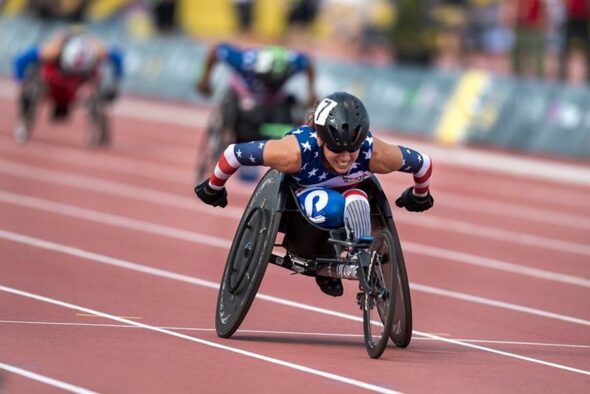
Who here likes to tan and be productive? Take advantage of where we live. St. Augustine is perfect for running and tanning. Hot tip: do them both at the same time! It’s almost always sunny here, except during hurricanes, and then you’ve got the treadmill. No excuses!
Running is cheap, flexible, builds healthy habits and fits into a busy student life. It can even be productive procrastination, if you want to delay doing schoolwork.
I’d argue that running is more beneficial for you than scrolling on your phone. I’d also challenge you not to bring your phone, when running. You don’t need to tell the world that you’re out there working out.
Focus on yourself. A run with no distractions, maybe music, is prime quality time.
I hope to see you out there, doing what Doctor Proctor (Norway’s answer to Gyro Gearloose) encouraged: “Looks like we have to use the worlds best travel invention – our legs.”

Be the first to comment on "Why running sucks, and how to fix it"