
By Eva Milan
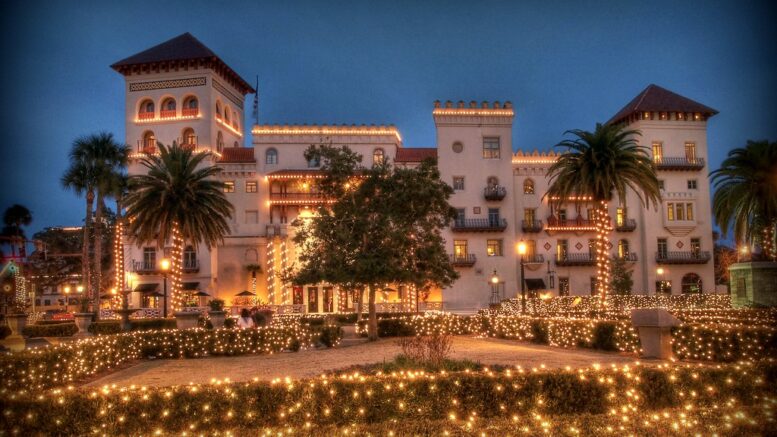
While swarms of visitors marvel at the picturesque winter wonderland that St. Augustine becomes during the holidays, many locals face a totally different reality. For them, Night of Lights comes at a cost, bringing more frustration than holiday cheer.
The 58-day festival, which runs from mid-November through mid-January, attracts hundreds of thousands of visitors each season. While downtown businesses benefit immensely from increased tourism, residents suffer from overcrowding and traffic congestion, raising concerns about their safety and general quality of life.
“Unless I am giving someone a ride, I avoid downtown completely after Night of Lights. Between the crowds, traffic and delays, it just isn’t worth it,” said Uber driver Zach Horne.
Since the festival’s birth in 1993, it has brought an influx of visitors to downtown St. Augustine. However, according to longtime residents like Horne and St. Augustine’s Vice Mayor Barbara Blonder, Night of Lights grew exponentially post-COVID. Last year, the city experienced historic traffic gridlocks, with some drivers reporting they were stuck on the same block for over an hour.
“Residents are heavily impacted, and generally the negatives outweigh the positives,” Blonder said. “For most residents, it’s about safety. If there’s an emergency, can the first responders get to where they are?”
Shortly after the 2024 season, city officials began discussing the changes that would be put in place for the following year to ensure residents’ safety, while addressing other concerns like crowded sidewalks, jaywalking and excess waste throughout the city.
“I think we exceeded our carrying capacity last year. There were too many people, and not enough infrastructure,” Blonder said.
However, figuring out how to pivot this year was difficult. They considered hiring a special events coordination team to aid with planning, but after some contemplation, officials realized the festival presented far too unique of a situation and was best suited to be planned by locals.
“It is the only event that goes on day after day after day, 58 days in a row, anywhere in the world. You have [events like] the Players Championship- a week, or the Super Bowl – a day. And we don’t sell tickets, so we have no way to know how many people are going to come.” Blonder said.
The goal this year was not necessarily to decrease the volume of tourists visiting, but rather to better support them by providing adequate resources. The city increased police presence, traffic control and frequency of waste collection. They added portable restrooms, provided more shuttle services and put up barricades in high-traffic areas to expand sidewalk space and prevent jaywalking.
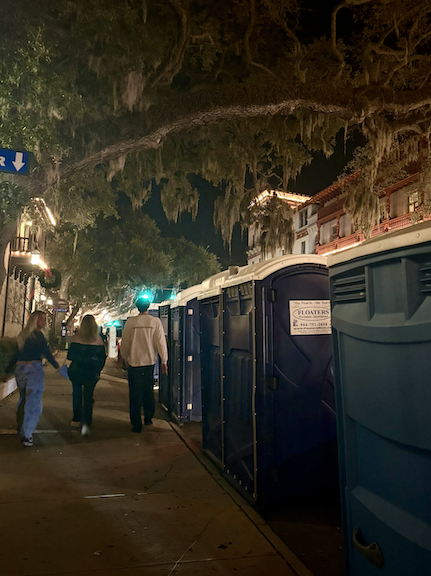
“With the traffic control, it’s been like night and day. It wasn’t like people were at a standstill and honking at each other with people walking across the street randomly. Cops are just making it flow so much better. I think everybody is just learning,” said Courtney Baekel, manager at downtown restaurant Casa Reina Taqueria and Tequila.
The festival at its core was supposed to be a way to increase downtown tourism during the winter, and while many residents feel Night of Lights has grown out of control since its start, most downtown businesses would disagree, considering Nights of Lights can account for half or more of their yearly revenue, according to Baekel.
“This is restaurant row right here… everybody is prepared and everybody has a plan. The more experienced restaurants that have been doing this for a while know what to expect,” said Baekel. “This morning [coming to work], I had to park all the way down the bayfront. But again, you take the good with the bad. It’s just a little walk.”
Clearly, there is no fix-all solution to completely satisfy all residents, businesses, and tourists.
“Not all residents feel the same way, and not all businesses feel the same way,” Blonder said. “I am a big supporter of our local businesses. I know the people who own them and who work in them. I want them to succeed, but there has to be a balance with our residents’ quality of life. It’s a give and take, there’s a compromise for everybody.”
As St. Augustine steps into a new Night of Lights season, the tension between economic prosperity and residents’ quality of life remains a conversation among city officials. However, this year’s improvements signal that the city is learning, adapting, and willing to make changes, even if the process is gradual. The festival will likely continue to evolve so that St. Augustine can find the best way to celebrate its most beloved tradition.


Be the first to comment on "Tourists and Businesses Celebrate While Locals and City Officials Navigate: The Dual Reality of Night of Lights "