
By Wylie Saviello
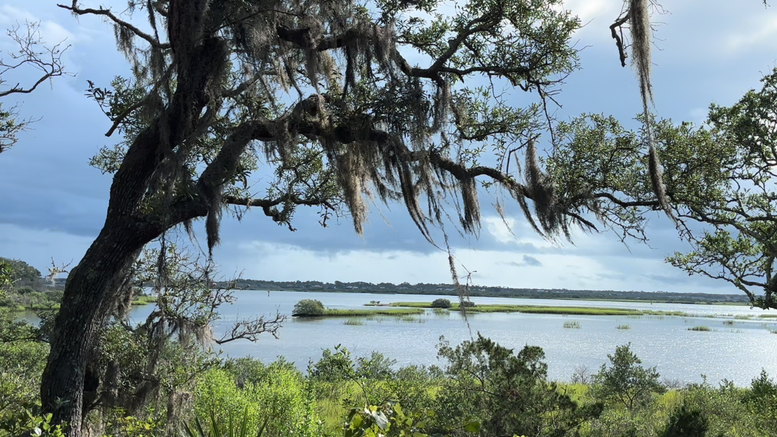
It was 195 acres of ecologically significant property along the Matanzas River. Conservationists say it would bridge two environmentally sensitive areas along the river into one larger, more valuable conservation corridor.
The untouched and rare section of waterfront land near Moses Creek was St. Johns County’s number one acquisition target for land conservation last year.
The county couldn’t afford to buy it. Now it’s being burned and cleared for development.
It’s become a pattern in this fast-growing region of Florida, but local environmentalists say a newly passed initiative may save this from happening to similar lands.
This November, St. Johns County’s ballot included a land conservation bond referendum for residents to vote on. The referendum passed by over 75%, approving $100 million for the county to use to protect land from development, payable through a small increase in property taxes.
“When locals are involved, they can make a really big difference … We saw that in St. Johns County. People recognized that conservation is important to them, and they said so with their ballots,” said Joel Benn, conservation acquisitions coordinator and general counsel for North Florida Land Trust.
Land conservation is an issue that many Floridians across the political spectrum care about. The state’s unique environmental landscape is home to a plethora of unique wildlife and has been a draw for both locals and tourists who enjoy spending time in wild Florida.
“There is a general frustration with overdevelopment in the county right now. A lot of people don’t like the rate and the character of the development that’s happening,” said Jen Lomberk, director of Matanzas Riverkeeper, a grassroots non-profit organization that protects the health and water quality of the St. Augustine area’s local waterways.
As one of the fastest-growing states in the nation, Florida has seen its share of development in recent years. St. John’s County has also had an increase in tourism, and many residents are concerned about how development related to these increases might jeopardize the area’s natural lands.
“What was on the ballot would authorize the county to issue up to $100 million in general obligation bonds, specifically to acquire and manage land that would protect water quality, wildlife habitat, farms and forests,” Lomberk said. “[The referendum] authorizes them to issue these bonds, not requires them to. And that was a point that was really important to a lot of folks who were talking about the cost.”
While many Florida counties have had existing dedicated funding sources for acquiring conservation land, St. Johns County never did. In fact, the county has a varied history with land conservation programs.
A focus on land conservation to protect county’s natural beauty
St. Johns County’s Land Acquisition and Management Program (LAMP) “identifies, evaluates and recommends lands to be acquired in the unincorporated areas of the County for conservation, management and passive recreational opportunities.”
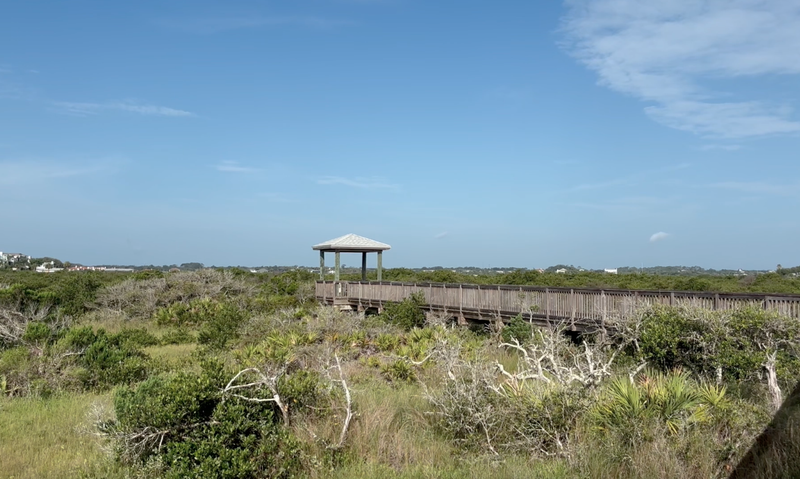
While established in 1999, the program was suspended during the 2008 recession and not reinstated until June of 2021, as a result of community efforts led by the Matanzas Riverkeeper. LAMP provides the community with access to marshlands and stretches of beach at places like Mussallem and Nease Beachfront Parks in the Vilano Beach area, and riverfront views like those at Vaill Point Park near US-1.
“Conservation touches people’s lives in ways they may not fully understand or realize. Protecting the land ensures that we have clean water, that our working farms and forests stay healthy and provides buffering for storms and flooding,” said Sarah Hande, Director of Strategic Communications for North Florida Land Trust.
Getting LAMP up and running again was crucial to protecting the natural beauty of St. Johns County.
“We worked with the county to restart the LAMP program back in June of 2021. They did it; they restarted the program; they adopted a new ordinance; they appointed a citizen advisory board,” Lomberk said. “The problem was, they were only allocating half a million dollars a year. So, we would have all of these really awesome potential land conservation projects come through, but there just wasn’t enough money to buy them.”
Some environmentalists say that’s exactly what happened with the Matanzas Estuary Buffer property. Land in St. Johns County is expensive, and the county couldn’t didn’t have the funding to beat the developer’s offer.
This property along the Matanzas River is home to at least one active bald eagle nest and, if conserved, would have helped to combat coastal squeeze. This is the process where salt marshes retreat landward as sea level rises, but are progressively lost or degraded because their path is blocked by shoreline structures, often human-made or natural barriers, according to the National Oceanic and Atmospheric Administration (NOAA).
This bond referendum provides LAMP with ample resources to preserve more of the county’s wild lands that the community hopes to protect and enjoy.
“And so this was our solution to get them more additional funding so they could actually start to buy some of those larger properties. … We’ve been working on this project for a couple of years because the first step in getting them to refer it to the ballot was convincing the county commission that this was something that the voters wanted, and that was worthwhile, and a good solution to this problem,” said Lomberk.
A shortfall in Florida Forever funding redirects money to alternative program
Land conservation funding at the state level, however, hasn’t seen as many victories lately.
Florida Forever, the state’s conservation and recreation lands acquisition program, has purchased over 1 million acres of land since the program began in 2000, creating recreation opportunities across 50 state parks and trails, 23 state forests, 20 wildlife management areas and three aquatic preserves.
But the program has recently seen dramatic changes to yearly allocated funding, which has set aside less money for conservation.
In 2023, the Florida Legislature required “$100 million to be appropriated annually to the Department of Environmental Protection (DEP) from the Land Acquisition Trust Fund for the acquisition of lands through the Florida Forever Program.”
And while the program received significant new funding in past years, the state’s 2026-2027 fiscal year budget didn’t fulfill that commitment of a minimum of $100 million in new funding.
“The budget for this year didn’t allocate any new funding for Florida Forever,” said Paul Owens, the president of 1000 Friends of Florida, a non-profit advocacy organization that promotes and carries out policies and priorities for sustainable development.
The program received a little over $100 million, but that money was reallocated from leftover years’ budgets.
“What it did was take a pot of money that had been allocated to protect the Florida wildlife corridor 3 years ago, and kind of repurposed some of that funding for the Rural and Family Lands Protection Program, which is intended to protect and maintain working farmland,” said Owens. “And then it took a smaller chunk of that and designated that for Florida Forever.”
The Rural and Family Lands Protection Program is a program under the Florida Department of Agriculture and Consumer Services that protects and maintains working farmland by essentially paying farmers to not develop their land.
Many conservationists say funding this program is important, but they believe Florida Forever should receive new funding each year as well.
“The state has done a good job in recent years in funding the Rural and Family Lands Protection Program, but not all of that important natural land is agricultural. So, the state also needs to do a consistent job of funding and maintaining Florida Forever to protect conservation land,” Owens said.

Importance of funding land conservation
Preserving Florida’s natural lands not only maintains the state’s iconic landscape of expansive salt marshes and swamps full of wild creatures beneath Spanish moss, but serves other important purposes, too.
“Protecting land in north Florida touches our lives in more ways than the cute birds and bunnies,” Benn said.
Funding land conservation programs yields several benefits, like aquifer recharge, flood control, creating recreation opportunities that support tourism and providing wildlife habitat for Florida’s signature species.
“The investment that [the state] make[s] in land conservation will generate significant returns. That conservation land, unlike agricultural land, is publicly accessible. It creates more land for outdoor recreation and things associated with wildlife, like bird watching and hiking. And that land is available to become wildlife management areas, or state forests or even state parks,” Owens said.
Land conservation is a lengthy process that can take years between identifying land and the state taking title to it, which requires consistently appropriate funding to maintain effective operations of programs.
“We’ve done a lot in Florida to protect natural land and agricultural land, but we need to do a lot more … we need to continue to fund Florida Forever,” Owens said.
Amid an uncertain future for state funding, the secured local funding remains an important victory, but the work is not done. Focused implementation is needed to save the remaining natural lands in areas that have already lost so much to development.
“There is tremendous opportunity but there is also very real urgency … It feels like anywhere you drive there is a bulldozer and new developments,” Hande said.

Be the first to comment on "Midterms produce land conservation funding opportunities for St. Johns County"