
By Ava Somerville
For consumers shopping at Publix, a food recall often begins with a simple question: Did I eat that?
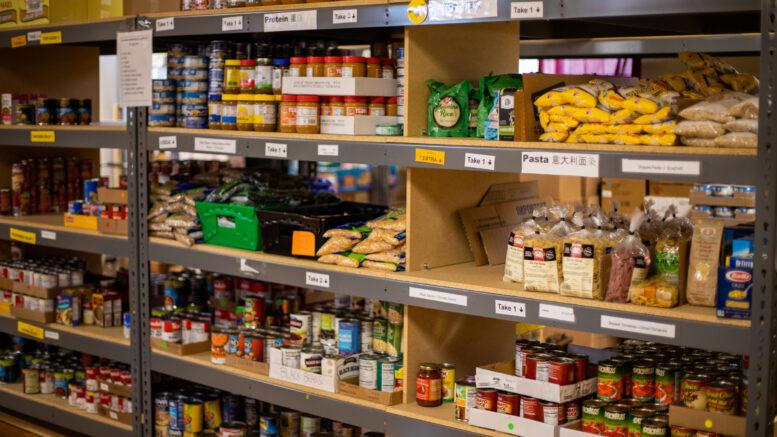
For food pantries like The Society Of St. Vincent De Paul, a food recall often can not afford a question like that.
“Families and individuals who rely entirely on food from food pantries are more likely to take the risk of consuming the recalled food because the hunger that they feel in their stomach outweighs their concern of contracting a food borne illness,” said William Bennett, a neighbor services manager at The Society of St. Vincent De Paul. “Unhoused individuals are at the highest risk of consuming contaminated food because they face hunger on a daily basis. The primal instinct to eat outweighs all other concerns.”
According to the U.S. Food and Drug Association, 2026 saw several major food-safety investigations that involved products throughout the United State. The FDA’s current investigations include salmonella linked to jalapeño peppers, cyclospora linked to iceberg lettuce and e. coli linked to frozen blueberries.
“The primary responsibility to prevent consumption of contaminated food falls on the shoulders of food producers, grocers, and government agencies to sound the alert in a timely manner,” Bennett said.
As of the FDA’s Aug. 5 update, 345 illnesses had been reported across 27 states with 36 hospitalizations. The investigation has also led to recalls of products made using the contaminated products, showing how contamination can move through a complicated food-supply chain which can deeply affect consumers.
“Since hunger is a daily struggle for these neighbors, they often ignore warnings and recalls,” Bennett said.
This puts low-income consumers more at a risk of these food-borne illnesses.
“Individuals who abuse alcohol and drugs already have chronic stomach issues, so the idea of having diarrhea or other gastrointestinal problems isn’t enough to deter them from eating contaminated food,” Bennett said.
This comment highlights the bigger issue at hand, that simply warning consumers about potential symptoms does not guarantee that contaminated food will be avoided.
“The main challenge…is making sure that we receive the recall notice and remove the contaminated food from our food pantry boxes before it goes out to the neighbors we serve,” Bennett said. “Our main food partner Feeding Northeast Florida always does a great job informing us of food recalls as soon as the major grocery stores announce them.”
Sunny Mulford from Epic Cure Non-profit Food Rescue said that compared to restaurants, they have a different responsibility.
“We receive notifications about food recalls, and when we are notified that something in our inventory has been recalled, we immediately pull those products and make sure they are not distributed. Because the food we provide is free to our clients, they are not losing money they spent on the product,” Mulford said. “My biggest concern is that people may not hear about the recall or may not recognize that the product they have is included in it. A person may have purchased something weeks earlier and have no idea that it has subsequently been recalled.”
While food recalls are intended to protect consumers, the warnings do not affect every consumer in the same way. For people who have reliable access to food, avoiding a recalled product may be as simple as throwing it away and purchasing something else. For people who depend on food pantries or have limited access to food, that choice may not be as easy.
Food pantries like The Society of St. Vincent De Paul and Epic Cure rely on communication from food suppliers and government agencies to identify recalled products before they reach the people they serve. Although organizations can remove recalled items from their shelves and boxes, the responsibility does not end there. Consumers must also receive accurate information and have access to safe alternatives.
As recalls continue to affect products distributed across the country, the issue extends beyond what is sitting on a grocery store shelf. It also raises questions about how effectively recall information reaches the people who may have the fewest options when food becomes unsafe.


Be the first to comment on "What Food Recalls Mean for Low-Income Florida Consumers "